




Flameless Candle Manufacturers and Bulk Quality Control
-
 author
- 1st October 2026
A convincing sample is only the beginning of a successful bulk candle order. Importers comparing flameless candle manufacturers need to know whether the same finish, fit and flicker will survive repeated production runs. For molded plastic models, that confidence comes from controlling the shell before assembly, checking the complete candle afterward, and making shipment decisions against agreed inspection criteria.
PP Shell Consistency Shapes the Finished Candle
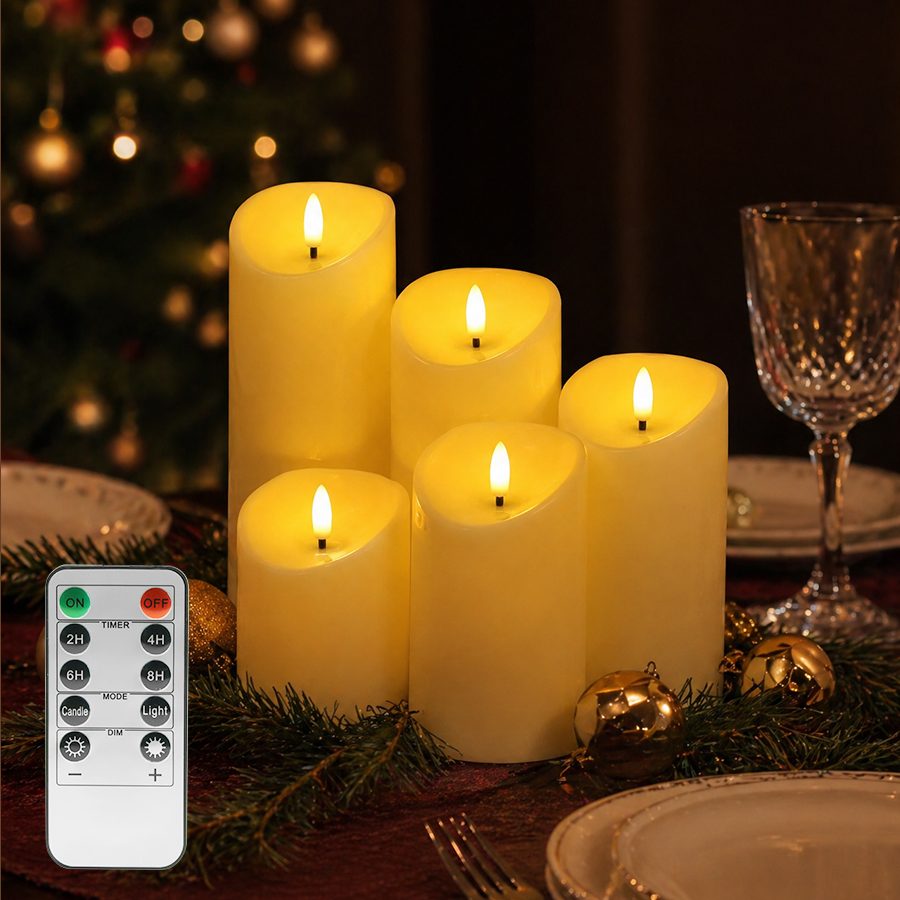
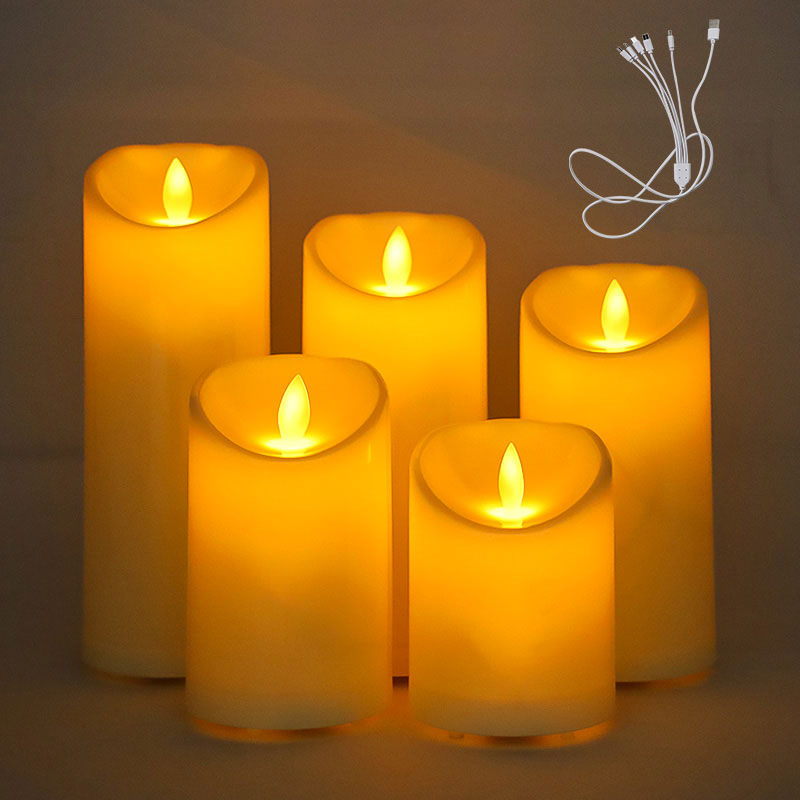
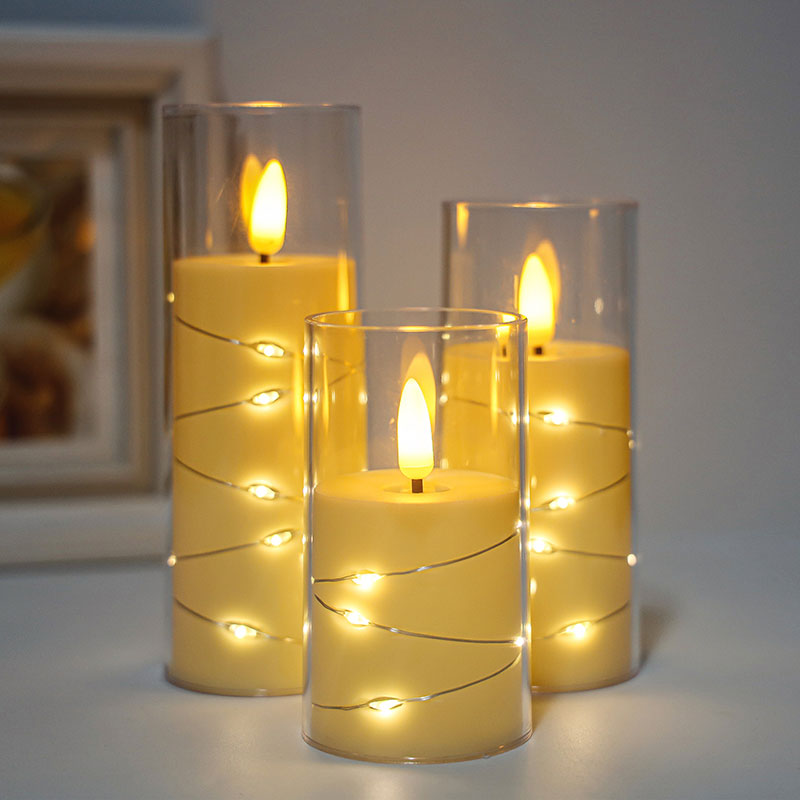
The shell carries both the candle’s appearance and its assembly geometry. Its molded rim creates the melted-wax effect, while openings and mating surfaces locate the flame head and base. A finish that looks attractive in daylight still needs inspection with the LED switched on, especially where light passes through the body.
That connection between appearance and construction matters when evaluating plastic flameless candles. At Mayone Candle, we mold polypropylene (PP) bodies in steel tooling, then apply finishing operations before installing the electronic components. The typical 30–60-second shell-molding cycle is only one production stage; it excludes subsequent finishing, assembly and final testing.
An approved reference sample gives that fast production stage a defined target. Agree on the surface texture, body color, visible seam and assembled fit before release. Compare production pieces with the same reference under consistent lighting, so a change in the viewing conditions does not become a dispute about the product.
Molding Defects Become Visible and Functional Problems
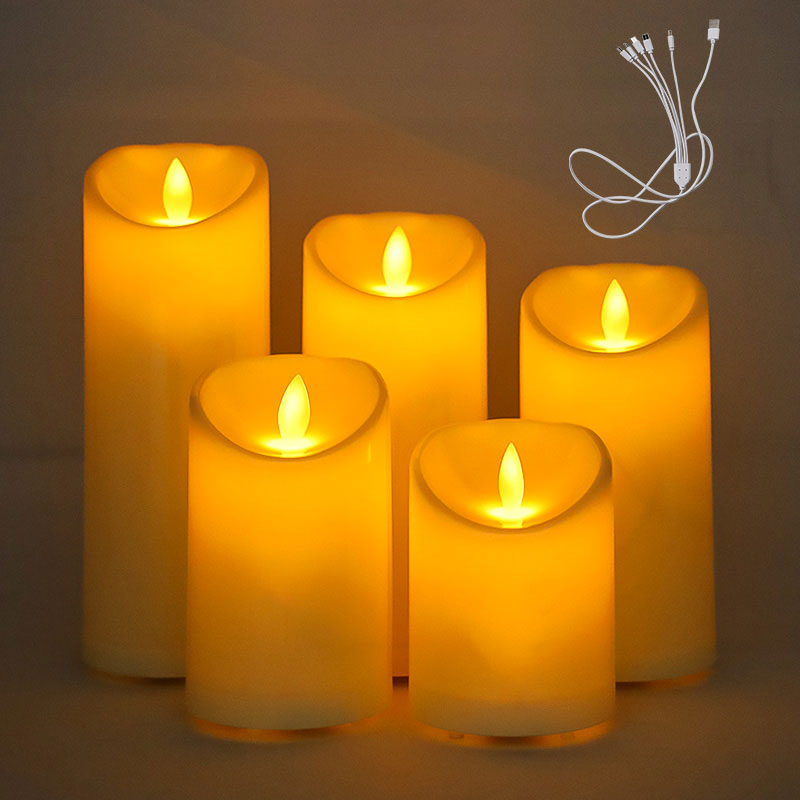
Different molding defects require different investigations. Incomplete filling can leave a missing section, while excess material can form a thin edge along the mold split. Sink marks and distortion need attention to geometry and processing conditions. The following distinctions help buyers explain a problem accurately when reviewing production samples.
| Shell condition | Possible candle consequence | Useful review point |
| Short shot: incomplete filling | Incomplete rim or mounting feature | Compare the affected feature with the approved part |
| Flash: excess material at a seam | Rough edge or obstructed mating surface | Check trimming and base fit |
| Sink: localized surface depression | Unwanted dent in a smooth body | Separate intended wax texture from a molding defect |
| Warp: distortion after molding | Uneven base or misaligned parts | Check the cooled shell and assembled candle |
The purchase specification should distinguish cosmetic variation from lost function. For buyers ordering LED pillar candles wholesale, a faint seam and a base that will not close deserve different treatment. Define unacceptable examples with photographs and retain a physical reference where texture is difficult to capture. This gives the factory a usable acceptance boundary.

Assembly Testing Connects Shell Quality to Candle Performance
A sound shell still needs working electronics and correct assembly. Our production sequence includes board-level checks of the LED, control program and switch response. After assembly, we test the power switch, light modes and remote functions again. Visual inspection also covers scratches, damage, assembly gaps and flame-head alignment.
The final check must match the configuration being purchased. A candle ordered with a remote should respond after its main switch is enabled; a timer-equipped version needs its selected timing behavior checked. A simple power-on result does not establish battery endurance or confirm a complete timer cycle.
A practical sample review separates those questions into observable results. Compare the steady and flickering modes offered on the selected model, check the flame head from several angles, and open and close the battery cover. Record the power source and settings used. Those details make a later comparison with production pieces meaningful.

Lot Inspection Gives the Shipment a Clear Release Basis
A repeatable inspection sequence matters as much as the individual checks. Our quality controls span incoming materials, candle bodies, electronic components, assembly and power-on inspection. We organize control across four stages: incoming, production, final and outgoing inspection, commonly abbreviated IQC, PQC, FQC and OQC.
For wholesale flameless candles, these stages should connect defects to a response. Ask how suspect shells are held back, how corrected pieces are checked again, and how outgoing results identify the batch. A checklist becomes useful when a failure changes what proceeds to packing.
AQL 2.5 is one stated element of our inspection approach, but that number alone does not define a shipment’s acceptance plan. Under an attributes sampling system such as ANSI/ASQ Z1.4, the plan specifies sample sizes and acceptance criteria. Agree on the lot size, inspection level, defect categories and applicable limits before inspection.
Sampling and individual functional checks answer different questions. Sampling supports a decision about the lot, while a power-on check examines a specific function on the units tested. Neither should be presented as a guarantee that every delivered candle is defect-free. Review the actual results and unresolved defects before accepting shipment.
Consistent Bulk Orders Need a Traceable Quality Standard
The strongest basis for choosing a manufacturer is a clear connection between the approved candle and the released batch. Shell inspection protects appearance and fit, assembly testing confirms the ordered functions, and an agreed sampling plan supports shipment acceptance. Use that chain to compare suppliers on evidence that relates directly to the candles you will receive.
Share your preferred candle model and the finish or function you need to protect with Mayone Candle, so we can discuss suitable samples and inspection points for your order.
FAQ
How should buyers assess flameless candle manufacturers?
Compare representative samples with the factory’s inspection process. Look for defined shell defects, checks of assembled functions, and batch-specific release records. Factory size alone does not establish the quality of a particular order.
What causes defects in plastic candle shells?
Incomplete filling, material escaping at the mold split, and uneven shrinkage can produce different defects. The factory should investigate the affected geometry and processing conditions rather than apply one adjustment to every symptom.
Does AQL 2.5 mean every shipment contains 2.5 percent defects?
No. An AQL is a parameter used in acceptance sampling, not a measured defect rate for every shipment. The inspection plan and observed sample results determine the acceptance decision.
Can one approved sample establish bulk consistency?
One sample establishes a reference, but it does not demonstrate consistency across a production lot. Agree on how production samples will be selected and compared with that reference.
Which checks matter for remote-control candle orders?
Verify the supplied remote with the assembled candle, including the purchased modes and timer options. Record the test setup and keep longer-duration timer or endurance checks separate from a brief power-on inspection.